
Brain Food for Neurological Recovery — What You Eat Affects How Your Brain Heals
"Let food be thy medicine and medicine be thy food." — Hippocrates
What you eat after a stroke, brain injury, or neurological diagnosis is more than a matter of general health — it directly affects your brain's ability to heal. Neuroplasticity, the process by which the brain grows new neural connections and rewires itself after injury, is influenced by the nutrients your brain receives every day. One of the most important factors in this process is a protein called Brain-Derived Neurotrophic Factor, or BDNF — which encourages the growth of new neurons and synapses. Certain foods actively increase BDNF levels. Here's what to add to your plate.
Salmon — Omega-3 Fatty Acids (EPA) Fatty fish like salmon contain EPA, an omega-3 fatty acid that helps maintain BDNF levels and promote neuroplasticity. Omega-3s are among the most well-researched nutrients for brain recovery after stroke and are most effective when obtained through whole food sources.
Flaxseeds — Alpha-Linolenic Acid (ALA) Flaxseeds are one of the best plant-based sources of ALA, an omega-3 fatty acid the body cannot produce on its own. Ground flaxseed can be added to smoothies, yogurt, or oatmeal easily.
Nuts and Seeds — Vitamin E Vitamin E is an antioxidant associated with reduced cognitive decline and improved brain cell protection. Almonds, sunflower seeds, and hazelnuts are particularly good sources.
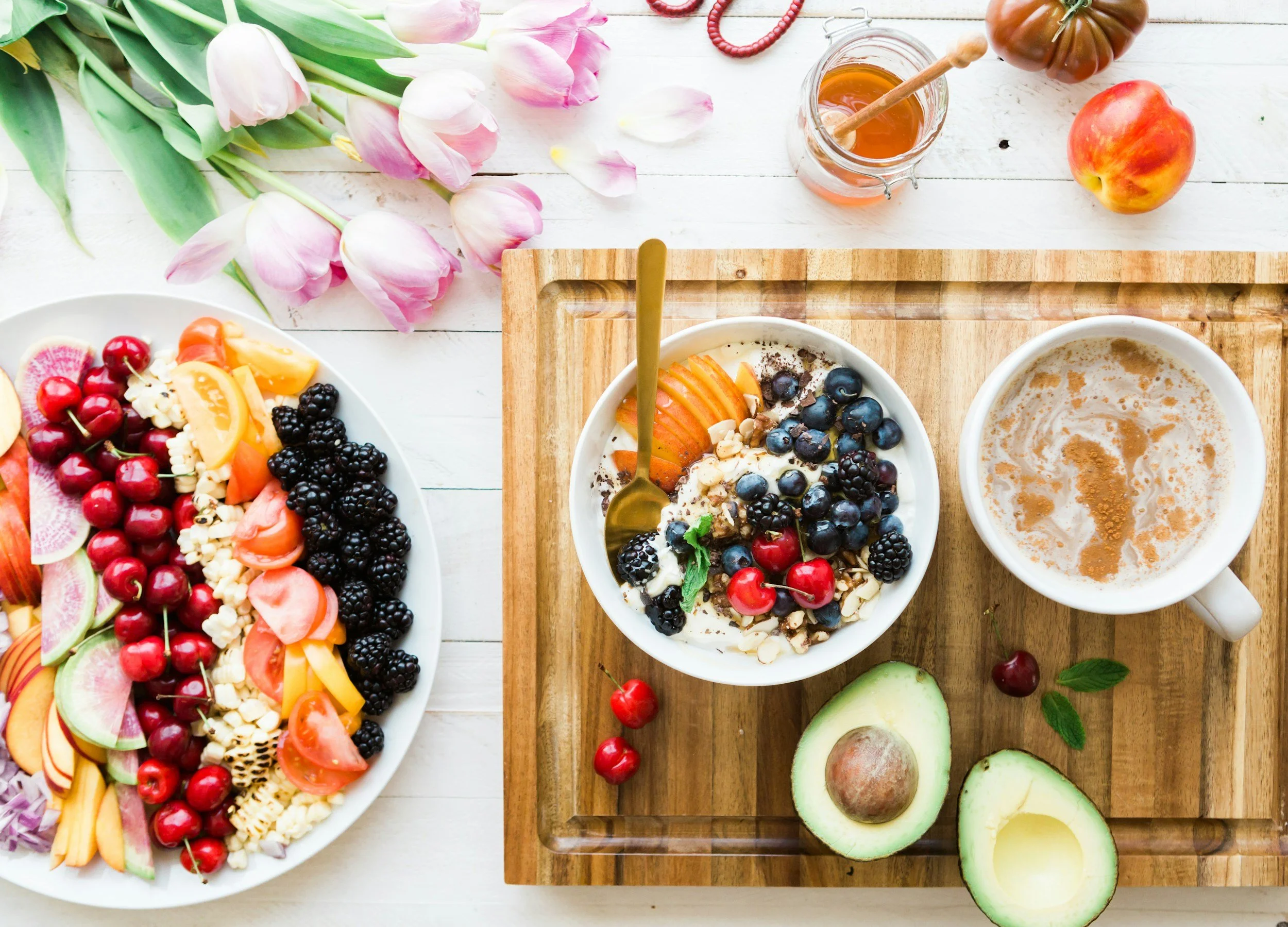
Avocados — Oleic Acid The areas of the brain responsible for processing information rely on oleic acid to function at optimal speed. Avocados are one of the richest food sources of oleic acid and also provide antioxidants and healthy protein.
Quinoa — Whole Grain Protein Studies have shown plant-based whole grains can lower stroke risk. Quinoa is unique because it contains all of the essential amino acids the body needs to repair cells and build new ones — making it a complete protein from a plant source.
Greek Yogurt — Probiotics and Protein Greek yogurt supports gut health through its probiotic content, and emerging research suggests a healthy gut microbiome may also reduce future stroke risk. It is also an excellent source of calcium and protein for overall recovery.
Legumes — Potassium, Iron, and Magnesium Beans, lentils, and peas are excellent sources of magnesium, which supports neuroprotection. They also provide potassium and iron — nutrients often depleted during recovery.
Blueberries — Flavonoids Blueberries contain flavonoids that actively boost BDNF production and have been shown to lower cholesterol and improve cognitive function. They are one of the most researched foods for brain health.
Pomegranates — Antioxidants High in potent antioxidants, pomegranates protect the brain and body from the damage caused by free radicals — unstable compounds that increase inflammation and slow recovery.
Cherries — Anti-Inflammatory Cherries are high in antioxidants that assist with inflammation and help protect against cellular damage — particularly relevant in the early stages of neurological recovery.
Citrus Fruits — Vitamin C and Flavonoids Oranges and grapefruit provide both vitamin C and flavonoids that protect brain cells, strengthen blood vessels, and reduce inflammation. Grapefruit in particular contains naringenin, a flavonoid with strong neuroprotective properties.
Apples — Fiber and Pectin The pectin fiber in apples helps lower and maintain cholesterol levels, reducing plaque buildup in arteries and lowering stroke risk. Apples are one of the most accessible brain-healthy foods available.
Tomatoes — Lycopene Lycopene is a plant-based nutrient that provides neuroprotective benefits and is associated with reduced stroke risk. Tomatoes are a rich source, though individuals monitoring blood pressure should be mindful of sodium content in processed tomato products.
Please consult your physician or registered dietitian about the best nutritional approach for your individual recovery.
— Melanie Lindauer, Salience NeuroRehab