
What Is Neuroplasticity — And Why It's the Foundation of Everything We Do
Think about your favorite activity. Maybe it's fishing with your grandchildren, cooking a family recipe, working in the garden, or walking the dog on a quiet morning.
Now imagine losing the ability to do it.
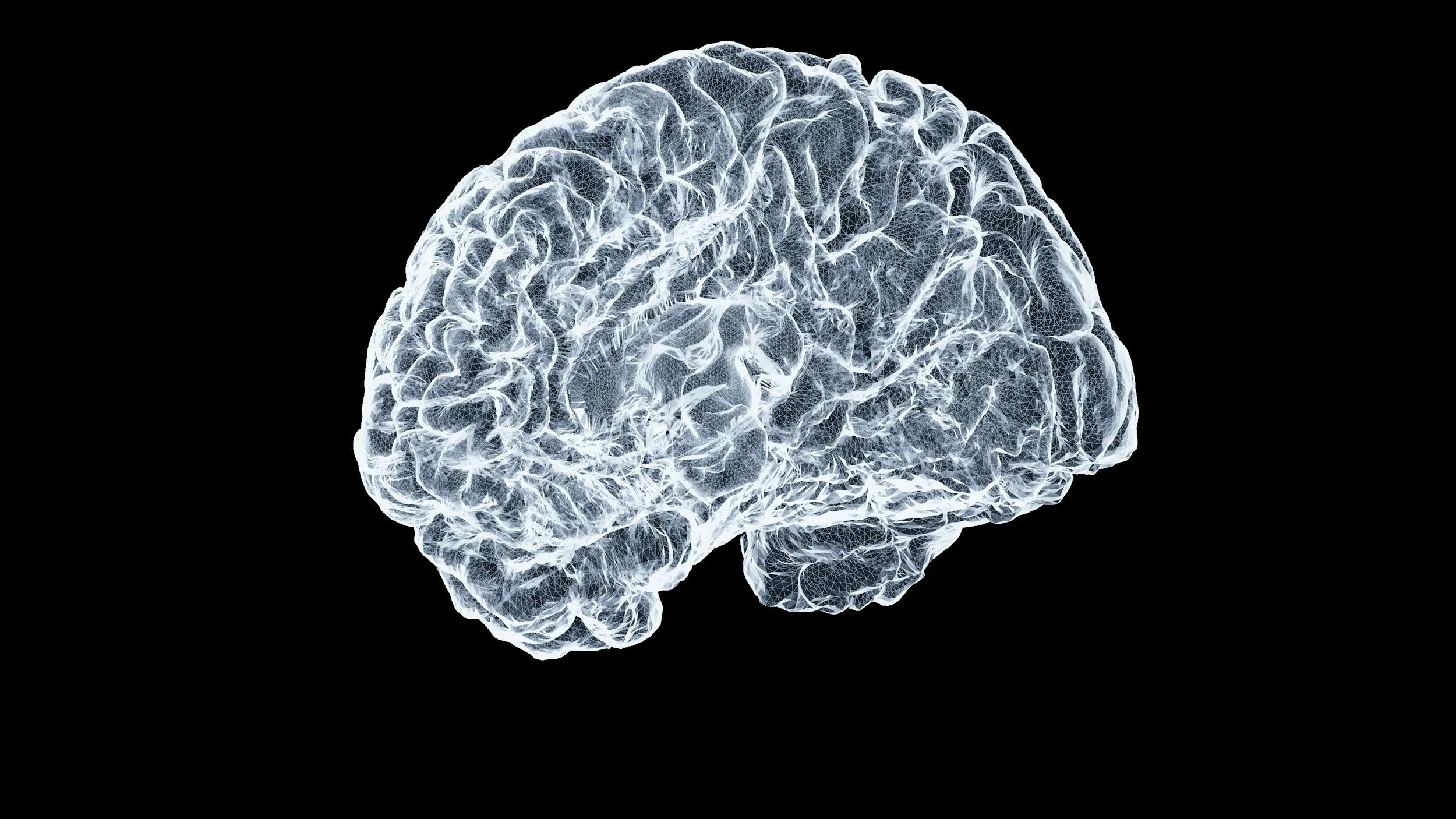
That's the reality for many of the individuals we work with at Salience — and neuroplasticity is the science-backed reason recovery is always possible, no matter how long ago the injury occurred.
It all begins with an idea. Maybe you want to launch a business. Maybe you want to turn a hobby into something more. Or maybe you have a creative project to share with the world. Whatever it is, the way you tell your story online can make all the difference.
Don’t worry about sounding professional. Sound like you. There are over 1.5 billion websites out there, but your story is what’s going to separate this one from the rest. If you read the words back and don’t hear your own voice in your head, that’s a good sign you still have more work to do.
Be clear, be confident and don’t overthink it. The beauty of your story is that it’s going to continue to evolve and your site can evolve with it. Your goal should be to make it feel right for right now. Later will take care of itself. It always does.
Why salience matters
At Salience NeuroRehab, our name is not accidental. Salience is a principle in neuroscience that describes why the brain pays closer attention — and learns faster — when something is meaningful to the individual.
When a therapist asks a patient to lift a one-pound weight, the brain responds. But when that same therapist hands a fisherman his fishing rod and works on the exact grip and lifting motion of casting — the brain lights up differently. The activity is familiar. It is important. It is salient. And salient activity produces faster, deeper neuroplastic change.
This is why every treatment plan at Salience is built around what matters most to you — not a generic exercise protocol.
When does neuroplasticity work best?
Immediately after a stroke or brain injury, the brain enters a heightened state of plasticity. The first six months of recovery are when the brain typically makes the fastest improvements — a period called spontaneous recovery. During this window, consistent, high-repetition, goal-driven therapy produces the most significant results.
But here is the part that surprises many people: neuroplasticity does not stop. Whether it has been six months or six years since an injury, the brain remains capable of forming new connections and relearning lost skills. Studies have shown the brain continues changing throughout an entire lifetime. Recovery is not a finish line — it is an ongoing process, and progress is always possible.
What this looks like in practice
The principle is simple: practice what you love, repeatedly, with intention.
If you love golf — practice gripping the club with your affected hand, swinging the club through its range of motion, standing and balancing while holding it, pressing a tee into a container of dirt for fine motor work.
If you love cooking — practice holding a pot handle, stirring, standing at the counter, gripping utensils. Each repetition sends a signal to the brain.
If you love music — practice holding your instrument, moving your fingers across the keys, engaging the tactile and auditory systems simultaneously.
If you love crafting — practice opening and closing scissors, holding a paintbrush, finger painting to stimulate sensation in the affected hand.
The activity itself is the therapy. The repetition is the medicine. And the meaning behind it is what makes the brain respond.
The more you give your brain, the more it learns.
— Melanie Lindauer, Salience NeuroRehab